
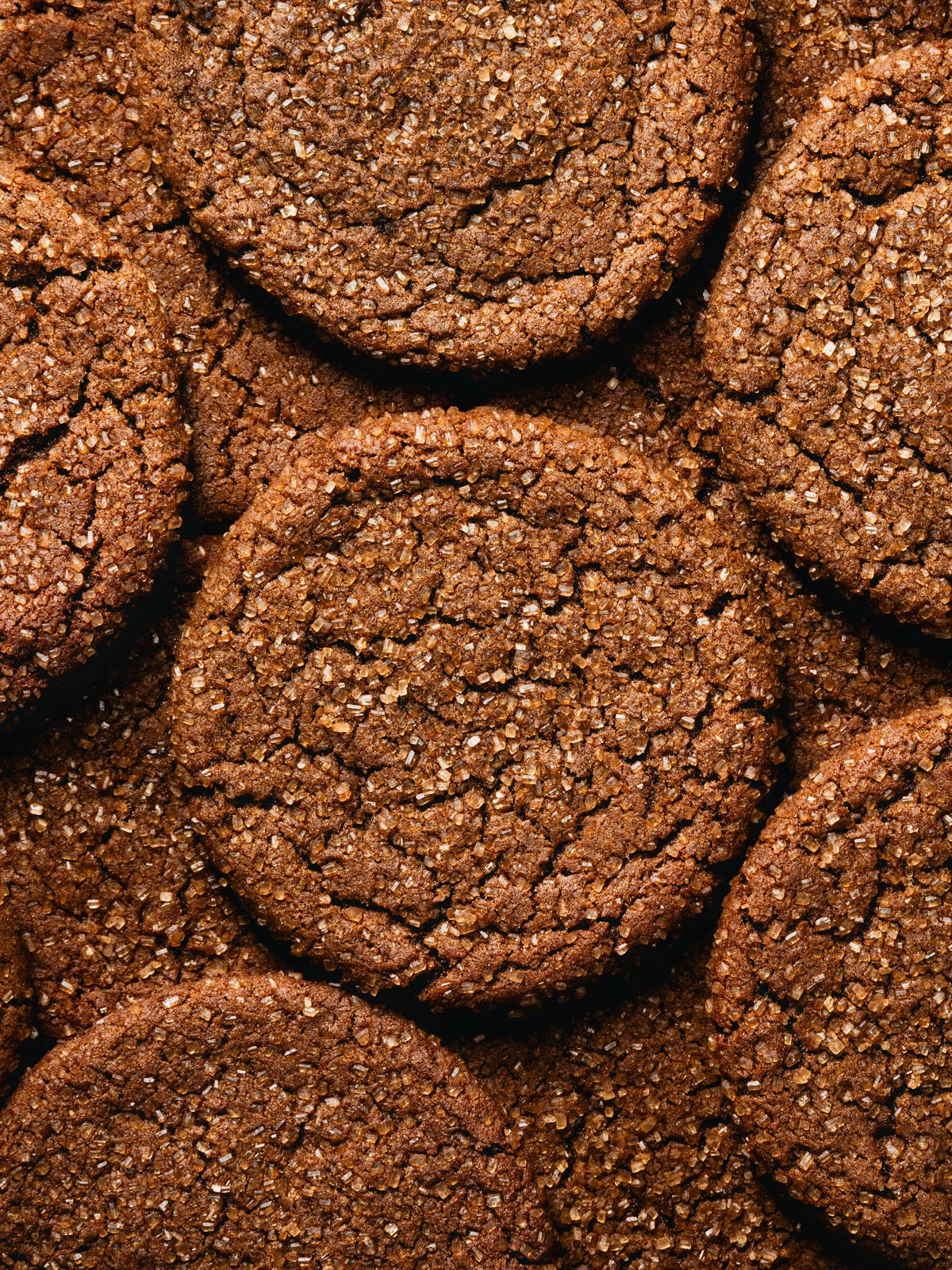
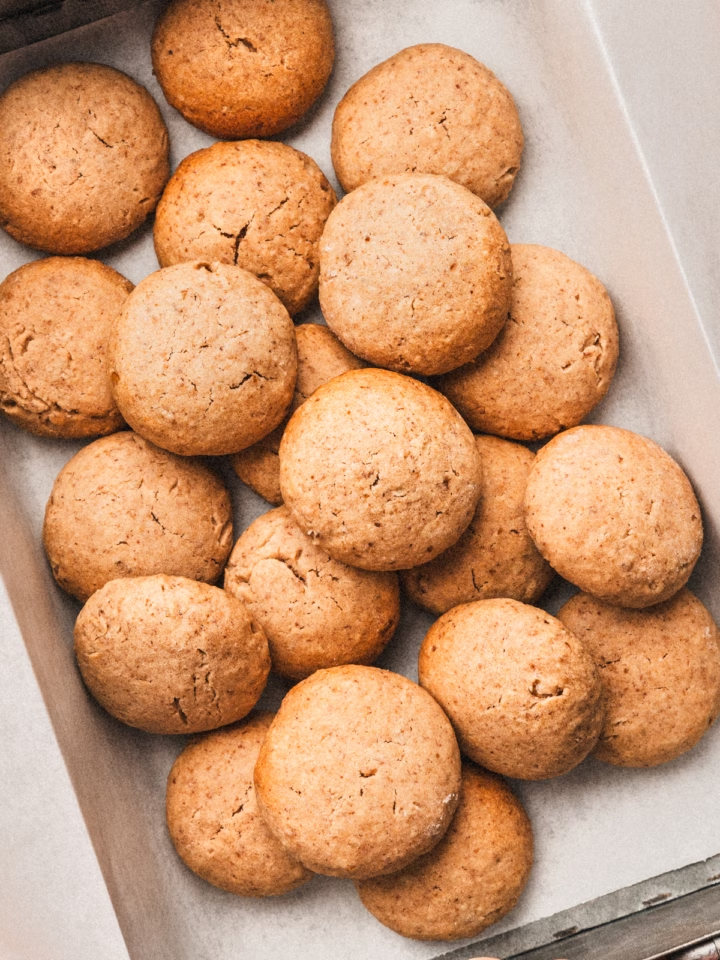
These vegan molasses cookies are the kind of cosy, old-fashioned treat that fill your kitchen with warm spice and nostalgia. These cookies are soft and chewy in the centre, lightly crisp on the edges, and perfectly sweetened with rich molasses and brown sugar. They’re easy to make and ideal for holidays, gifting, or everyday baking.
Jump to:
Recipe Highlights
- 100% vegan, egg-free and dairy-free – Made with vegan butter and no eggs
- Soft and chewy texture with classic crackled tops
- Warmly spiced with cinnamon, nutmeg, ground cloves and all spice
- Simple pantry ingredients you likely already have
- Quick to bake – just 10 minutes in the oven
- Perfect for holidays or anytime you crave a cosy cookie
Blackstrap Molasses vs True Molasses
Molasses comes from sugarcane (or beet) juice that’s been boiled down during the sugar-making process. True molasses, including light and dark varieties, is what most bakers think of. It has a pleasantly sweet, rich, bittersweet flavour with enough moisture and sugar to help create soft, spreadable cookie dough. True molasses typically has a decent sugar content and enough moisture to help cookies spread and develop a tender texture during baking.
Blackstrap molasses, on the other hand, is the result of a third and final boiling of that same syrup. This longer concentration makes it much darker, thicker and less sweet, with a more bitter and robust flavour profile and lower sugar content than true molasses. It also has less moisture in the syrup itself and a higher concentration of minerals.
In baking, these differences matter:
- Flavour — Blackstrap’s bold, slightly bitter taste deepens the spice notes in a cookie and gives a richer, almost molasses-forward character. True molasses will be sweeter and more rounded.
- Texture — Because blackstrap is thicker and has less free sugar and water, doughs made with it tend to be denser and less tender, and cookies may not spread as much as they would with true molasses. True molasses encourages more spreading and softer, chewier results.
- Sweetness & balance — Cookies with blackstrap will often taste less sweet overall and more intensely spiced, which can be delightful if you love deep, molasses-rich flavour, but it’s a very different experience from classic molasses cookie sweetness.
Most traditional recipes call for light or dark molasses because of that balance of sweetness, moisture and flavour. I used blackstrap molasses for a unique, boldly spiced character that stands out from the crowd. However, if you prefer a sweeter, more traditional cookie, swapping in regular molasses will produce a softer, sweeter result with a more familiar molasses taste.
🥣 Ingredients & Substitutions
- Vegan butter – Provides richness, moisture and structure while keeping the cookies fully vegan. Use a stick-style vegan butter for best results. If you’re not vegan and only need the cookies to be egg-free, regular unsalted butter works as a direct substitute.
- Dark brown sugar – Adds sweetness, moisture and a deep caramel flavour that pairs perfectly with molasses. Light brown sugar can be used for a slightly milder flavour, or coconut sugar for a less refined option (the cookies will be a bit darker and less sweet).
- Blackstrap molasses – Gives the cookies their bold, deep molasses flavour and contributes to their darker colour and slightly less sweet profile. You can also use true molasses (light or dark), if you want the cookies to be sweeter, softer and more traditional in flavour.
- Vanilla extract – Enhances and rounds out the warm spices and sweetness.
- All-purpose flour – Forms the structure of the cookies. A 1:1 gluten-free all-purpose flour blend can be substituted for gluten-free cookies, but results may be slightly softer.
- Baking soda – Helps the cookies rise and creates the classic crackled tops. There’s no perfect substitute here and baking powder will not produce the same texture.
- Spices – Cinnamon, all spice, nutmeg and ground cloves is my ideal combo. You can experiment with spices if you want a milder or stronger flavour profile (see note below).
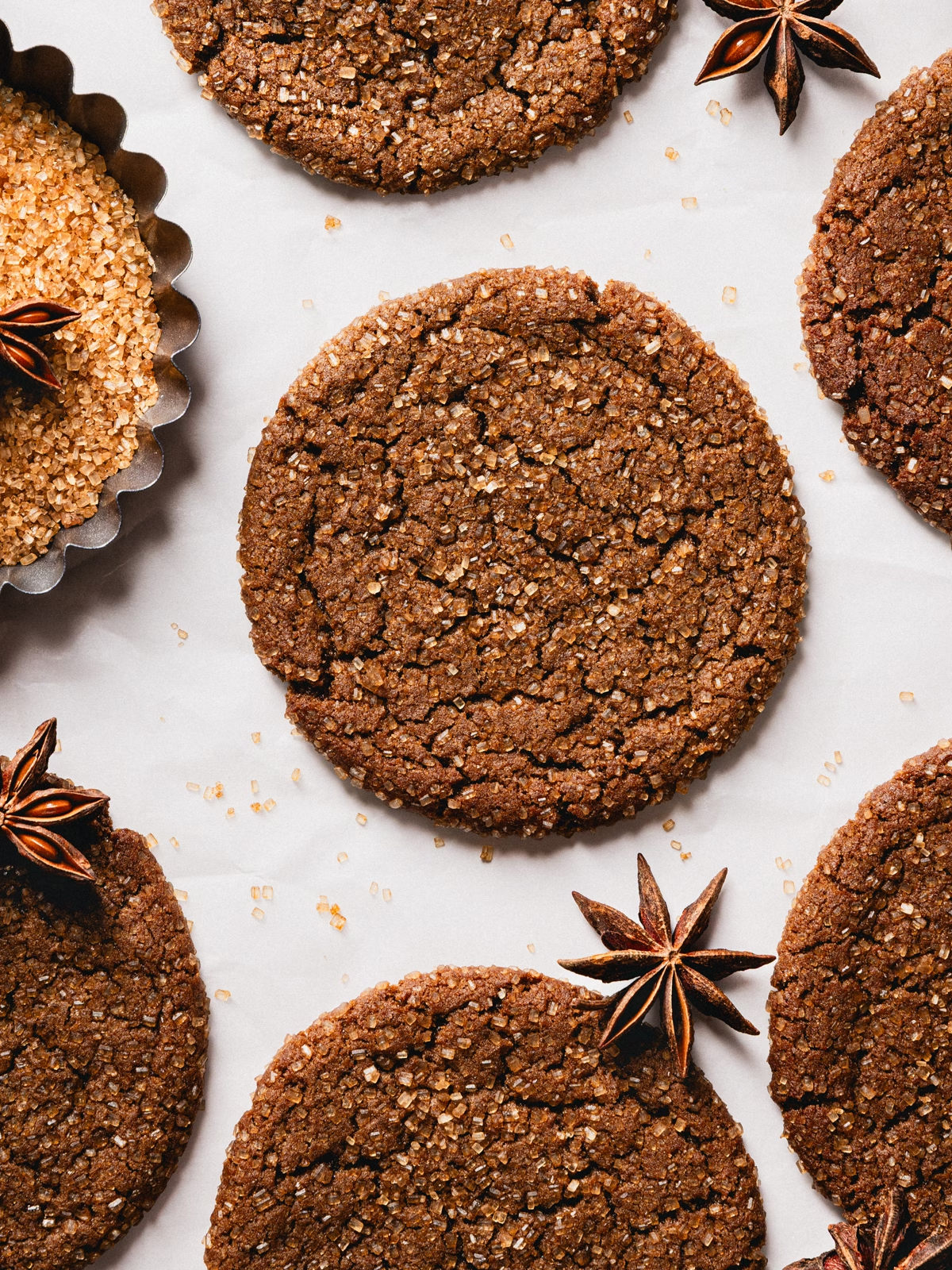
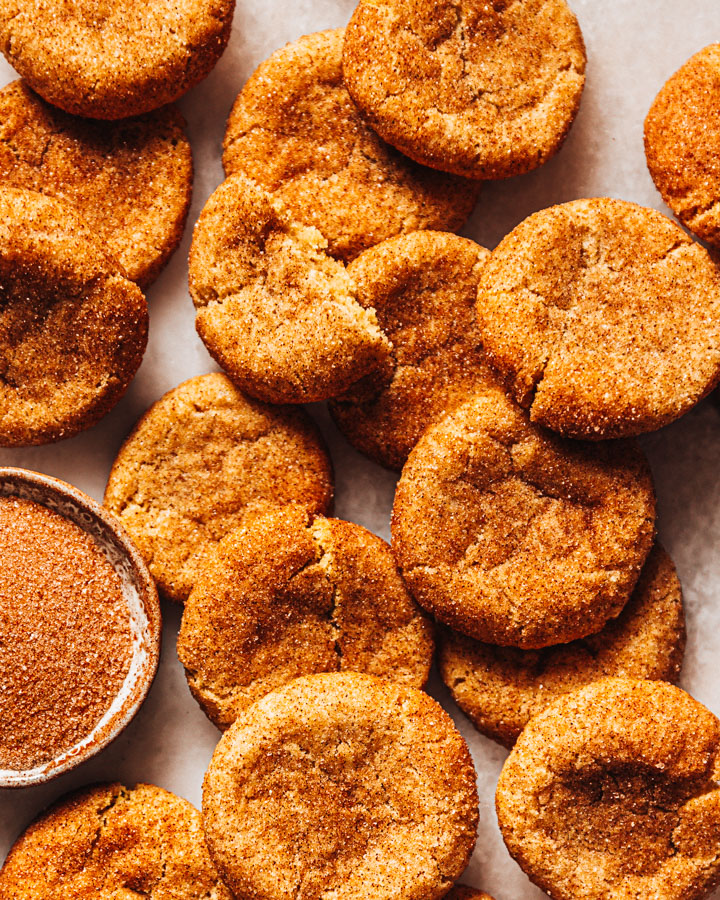
- Cane sugar (for rolling) – Creates a lightly crisp, sparkling exterior and helps with the crackled appearance. Granulated white sugar works in a pinch, but you’ll lose the golden colour and the added caramel flavour.
💡 Expert Tips for Perfect Vegan Molasses Cookies
Soften the Butter Properly
The vegan butter should be at room temperature; soft enough to press with your finger, but not melted. Melted butter will cause the dough to spread too much and result in thinner, greasier cookies.
Measure Flour Accurately
Too much flour can make the cookies dry and dense. For best results, spoon the flour into your measuring cup and level it off. It’s always better to weigh the ingredients if you can.
Adjust Dough Moisture As Needed
Blackstrap molasses can make dough slightly drier and stiffer than true molasses. If the dough feels crumbly, add 1 tablespoon of water (or plant milk) at a time until it holds together easily.
Don’t Skip the Sugar Roll
Rolling the dough balls in cane sugar or raw sugar adds a crisp, slightly crunchy exterior and helps create that beautiful crackled, golden finish once baked.
Gently Press the Dough Balls
Vegan molasses cookies don’t spread a ton on their own, especially with blackstrap molasses. Lightly flattening them before baking ensures even baking and better texture.
Watch the Bake Time Closely
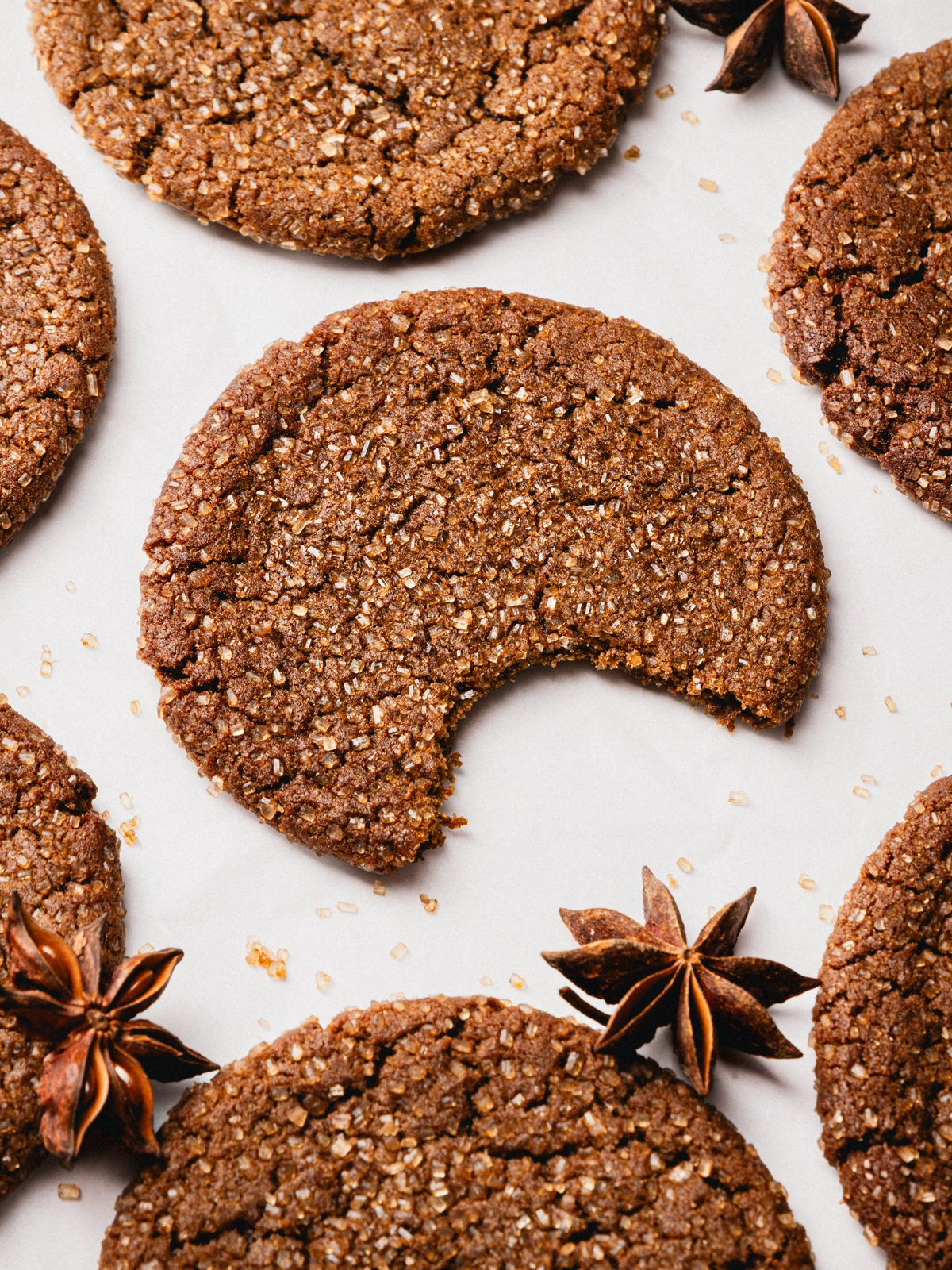
Ten minutes is ideal for soft, chewy cookies. They may look slightly underbaked in the centre, but they’ll continue to set as they cool. Overbaking will make them dry.
Let Them Rest on the Baking Sheet
Allow the cookies to cool on the baking sheet for about 10 minutes before moving them. This helps them firm up without losing their softness.
Experiment with Spices
This recipe is very forgiving when it comes to spices. Try adding a pinch of cardamom, black pepper, or ground ginger, or increase the cinnamon for extra warmth. You can also reduce cloves if you prefer a milder flavour.
Flavour Improves Over Time
Like many spiced cookies, these taste even better the next day once the flavours have had time to meld, making them perfect for baking ahead.
💬 Molasses Cookies FAQs
Yes! Use a 1:1 gluten-free all-purpose flour blend. The texture may be slightly softer but still delicious.
Absolutely. Regular (light or dark) molasses will produce a sweeter, more tender cookie with classic molasses flavour, while blackstrap gives a deeper, more robust taste.
Yes! Cinnamon, all spice, cloves, and nutmeg can be adjusted to taste. You can also experiment with adding cardamom, ginger or a pinch of black pepper for a unique twist.
Overly soft/melted butter or too little flour can cause excessive spreading. On the other hand, stiff dough or extra flour can prevent spreading. Lightly pressing the dough balls before baking helps ensure even cookies.
🍪 More Vegan Cookies
Vegan Molasses Cookies
Ingredients
- ½ cup (120 g) vegan butter (softened to room temperature)
- ⅔ cup (130 g) dark brown sugar
- ½ cup (125 g) blackstrap molasses
- 2 teaspoons vanilla extract
- 2 cups (250 g) all-purpose flour
- 1 teaspoon baking soda
- 2 teaspoons cinnamon
- 1 teaspoon all spice
- ¼ teaspoon ground cloves
- ¼ teaspoon nutmeg
- Cane sugar, for rolling
Instructions
- Preheat the oven to 350°F (180°C) and line a large baking sheet with parchment paper.
- In the bowl of a stand mixer fitted with the paddle attachment, or using an electric mixer, cream the vegan butter and sugar. Add the molasses and vanilla and mix again.
- In a medium bowl, combine the flour, baking soda, cinnamon, all spice, ground cloves and nutmeg. Gradually add the dry ingredients to the wet ingredients, mixing after each addition. If the dough is too dry, mix in 1 tablespoon of water.
- Scoop a tablespoon of the dough and then use your hands to roll it into balls. Roll the cookie dough balls in the sugar and arrange 2 inches apart on the prepared baking sheet. Press down slightly on the tops of the balls and bake for 10 minutes, until the cookies are puffed and cracking on top. Remove and let cool on the baking sheet for 10 minutes before transferring to a wire rack to cool completely.
Notes
- Room Temperature: Store cooled cookies in an airtight container for up to 5 days.
- Avoid Moisture: Keep cookies away from humidity to maintain the crackled exterior.
- Cookie Dough: Scoop and roll dough into balls, flatten them, then freeze on a baking sheet for 1–2 hours. Transfer to a freezer-safe bag or container. Bake from frozen, adding 1–2 minutes to the bake time.
- Baked Cookies: Let cookies cool completely, then layer in a freezer-safe container with parchment paper between layers. Freeze for up to 3 months. Thaw at room temperature before serving.
![Chickpea Flour Chocolate Cookies [V+GF]](https://www.spoonfulofkindness.com/wp-content/uploads/2020/05/chickpea-flour-cookies-720x960.jpg)

Leave a Reply